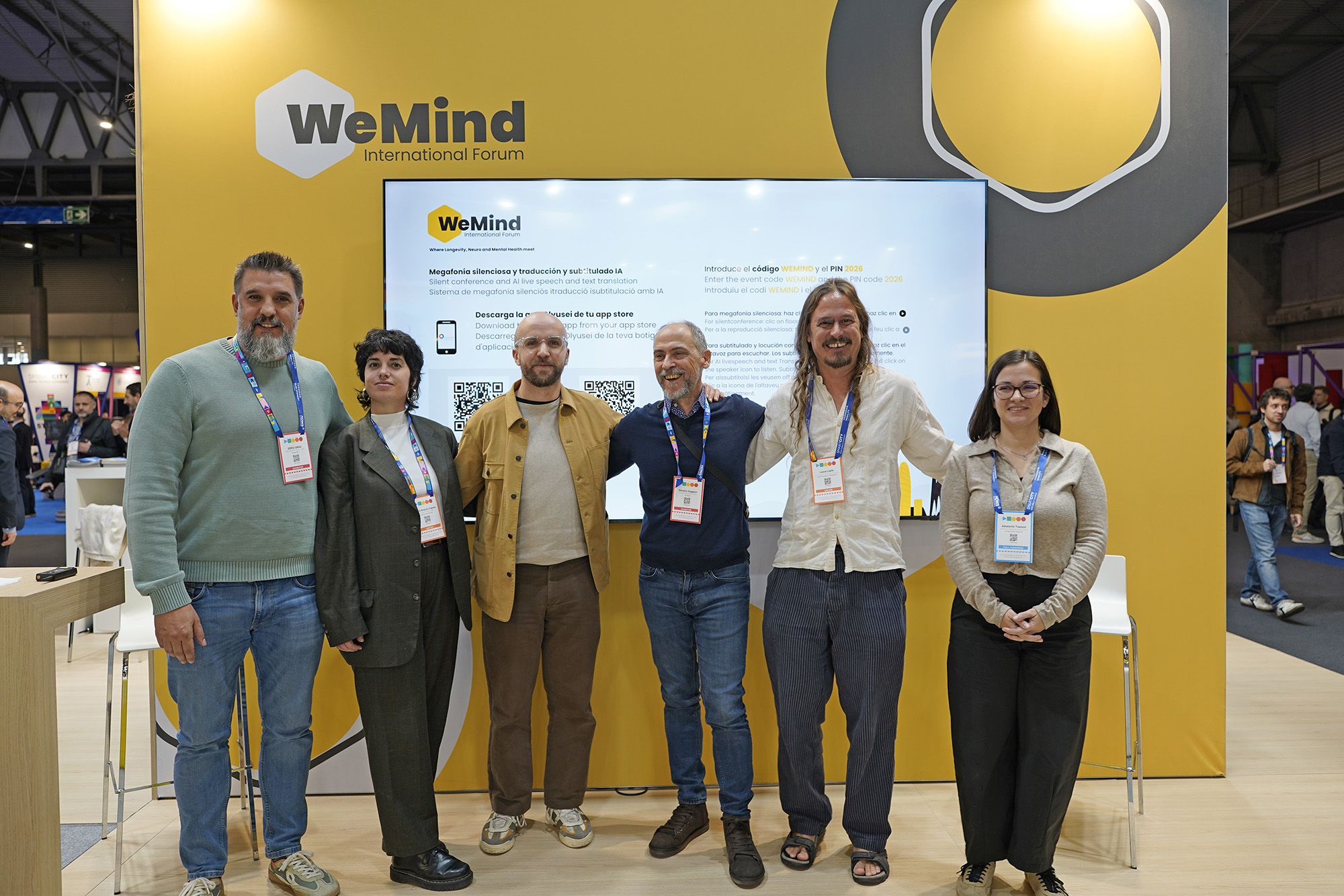
The network and its researchers took part in the congress dedicated to smart cities for the fourth consecutive year. This year, they were joined by WeMind Cluster, a corporate entity within the network.
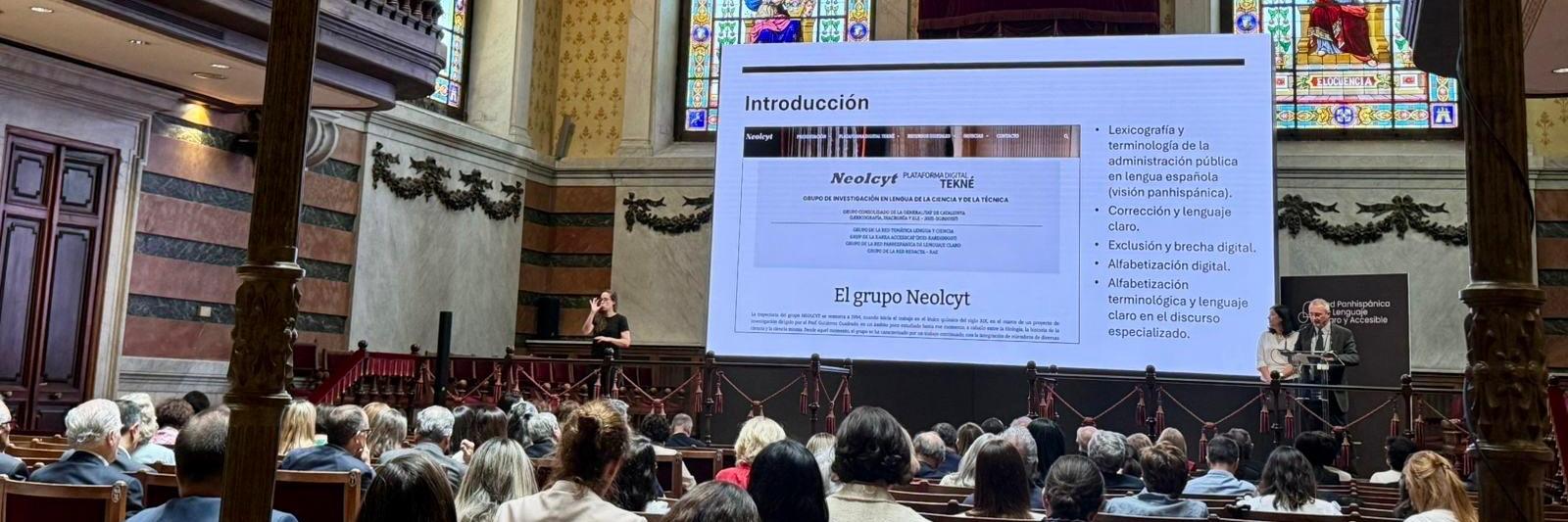
“A city without its citizens makes no sense.” This was how Pilar Orero, speaking at the United Nations Pavilion, summed up why the AccessCat Network has been taking part in Smart City for four consecutive years. The aim is to demonstrate that progress and technological innovation must primarily focus on finding solutions for citizens, recognising that people are not one-dimensional and have a wide range of different needs. In short, technological advances must reflect and draw inspiration from the diversity of the people who make up our cities.
The Smart City Expo World Congress is a key meeting point for experts, companies and institutions working to develop more sustainable, efficient and inclusive cities. This year, under the slogan “smart cities should speak to everyone”, we joined forces with WeMind Cluster (a corporate entity within the network) to take part in the WeMind International Forum 2026, an event held as part of the congress and dedicated to longevity, neuroscience and mental health. As Anna Schembari explained in her opening remarks at the forum, “progress is linked to prosperity. A smart city must take into account the people who live in it”.
The network was present on 3 and 4 November, accompanied by five research groups. Through a talk and an information stand, researchers presented a range of cutting-edge research projects in communication accessibility, aimed at removing barriers and ensuring that no one is excluded from a smart, modern and people-centred city:
- ADLaR, by TraDiLex (UPF): In a context of rapid technological growth driven by tools such as AI and chatbots, this project aims to bridge the digital divide and ensure that everyone can participate independently in the digital world.
- NLab Lingua, by TIS (UVic-UCC): A project implemented in educational settings to support language learning among newly arrived children and young people, helping to improve the inclusion of their families in the education system and wider society.
- RULESCAPE, by DiCode (CITM-UPC): A city simulation video game that uses player co-creation to design urban scenarios, helping to identify real needs in different areas, including accessibility.
- iDEM, by TALN (UPF): Through an automatic text simplification application, this project promotes people's participation and inclusion in political participation spaces.
- COMUNI-CARE, by TransMedia Catalonia (UAB): A Living Lab that uses accessible virtual reality tools to foster communication between older people at risk of social exclusion and younger people, helping to improve wellbeing in residential care settings.