




Activities

The AccessCat Network and its members organise and participate in different types of activities and actions.

Some activities are addressed to the public—such as awareness-raising activities, demonstrations, showcases, and some training activities—and some actions are carried out within the research groups—such as international missions or standardisation activities.

Awareness-raising Activities

Activities organised by researchers in the network in order to spread their knowledge on accessibility to society. The goal is to raise awareness on how important it is for everyone to have access to communication and information, as well as to offer innovative solutions.

Internationalisation activities

Activities abroad in which members of the network participate to promote the valorisation and transfer of their solutions and knowledge on an international scale.

Standardisation

Researchers in the network participate in drafting regulations, standards, or high-level documents in European and international bodies (ISO, UNE, ITU, CEN, EBU…) to ensure accessibility is taken into account in public policies.

Training

Capsules or training sessions on accessibility to information and communication geared towards companies, institutions, and entities. There is also training for researchers in the network on how to evaluate and transfer research results.

Support for Disruptive Solutions

Contest addressed to researchers in the network to fund and support innovative proposals that find solutions to issues related to accessibility to communication and information.

Demonstrations and Showcases

Activities held by researchers in the network at fairs, congresses and conferences to show the technologies and services created by the research groups.

Future Activities

Past Activities

Activity open to the general public

  • Day:
    -
  • Place:

    Online

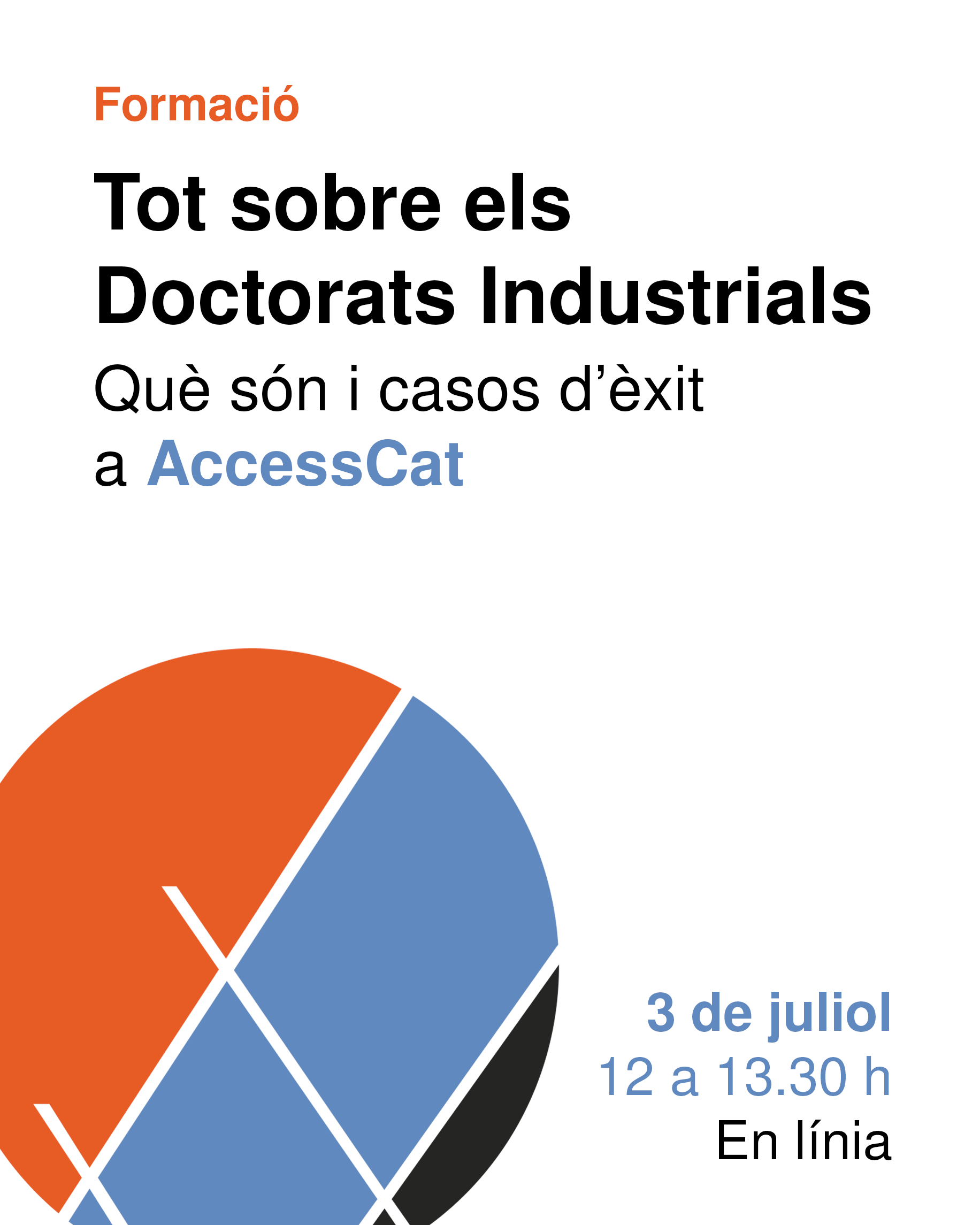
This training session provides an in-depth look at the Industrial Doctorates programme, a three-year doctoral contract within a company, organisation or institution. This contract enables research to be carried out and real solutions to be developed with direct application to the market, while also allowing organisations to integrate into their teams a direct link to innovation and university research.

  • Day:
    -
  • Place:

    Barcelona

The LSC Lab research group is delivering training led by deaf and hearing researchers from LSC Lab for teachers and speech and language therapists at CREDA Pere Barnils who work with deaf students, with the aim of helping them improve and deepen their knowledge of Catalan Sign Language.

Activity open to the general public

  • Day:
    -
  • Time:
    13:00
    -
    13:45
  • Place:

    Virtual

Researchers from the research groups Digital Care, STS-b, TransMedia Catalonia, TraDiLex, LSC Lab, and Grup d’Intel·ligència Artificial i Data Science offer 6 brief 15-minute presentations that address various basic concepts related to accessibility.

  • Day:
    -
  • Place:

    Online

The Neolcyt research group (UAB) is organising a conference open to the general public that explores plain language from both a research perspective and the social advances of recent years.